Client Background & Needs
Pendulum Power Earthing (PPE) is committed to advancing earthing system safety and performance by investing in research and development (R&D). As a leading provider of earthing solutions across sectors such as renewable energy, industrial infrastructure, and high-voltage power networks, PPE identified a need to improve testing accuracy and streamline earthing design processes.
The goal was to evaluate cutting-edge test equipment, develop improved design methodologies, and implement software-driven workflows to reduce errors and enhance reporting precision. The result would be a more efficient and reliable approach to earthing system assessments.
Challenges & Approach
PPE faced several challenges in improving earthing system design and testing:
- Equipment Variability: Identifying the most suitable testing equipment for diverse earthing environments (e.g., renewable sites, substations, and high-voltage systems up to 400kV) required comprehensive evaluation.
- Inconsistent Data Entry: Manual calculations and data inputs introduced the risk of user error, affecting report accuracy.
- Regulatory Compliance: PPE needed to ensure all methodologies aligned with industry standards such as BS EN 50522, ENA TS 41-24, and ENA EREC S34.
To address these challenges, PPE adopted a two-fold strategy:
- Comparative Equipment Testing
- Design Tool Enhancement via Software Integration
Implementation & Solution
1. Comparative Testing of Leading Earth Testing Equipment
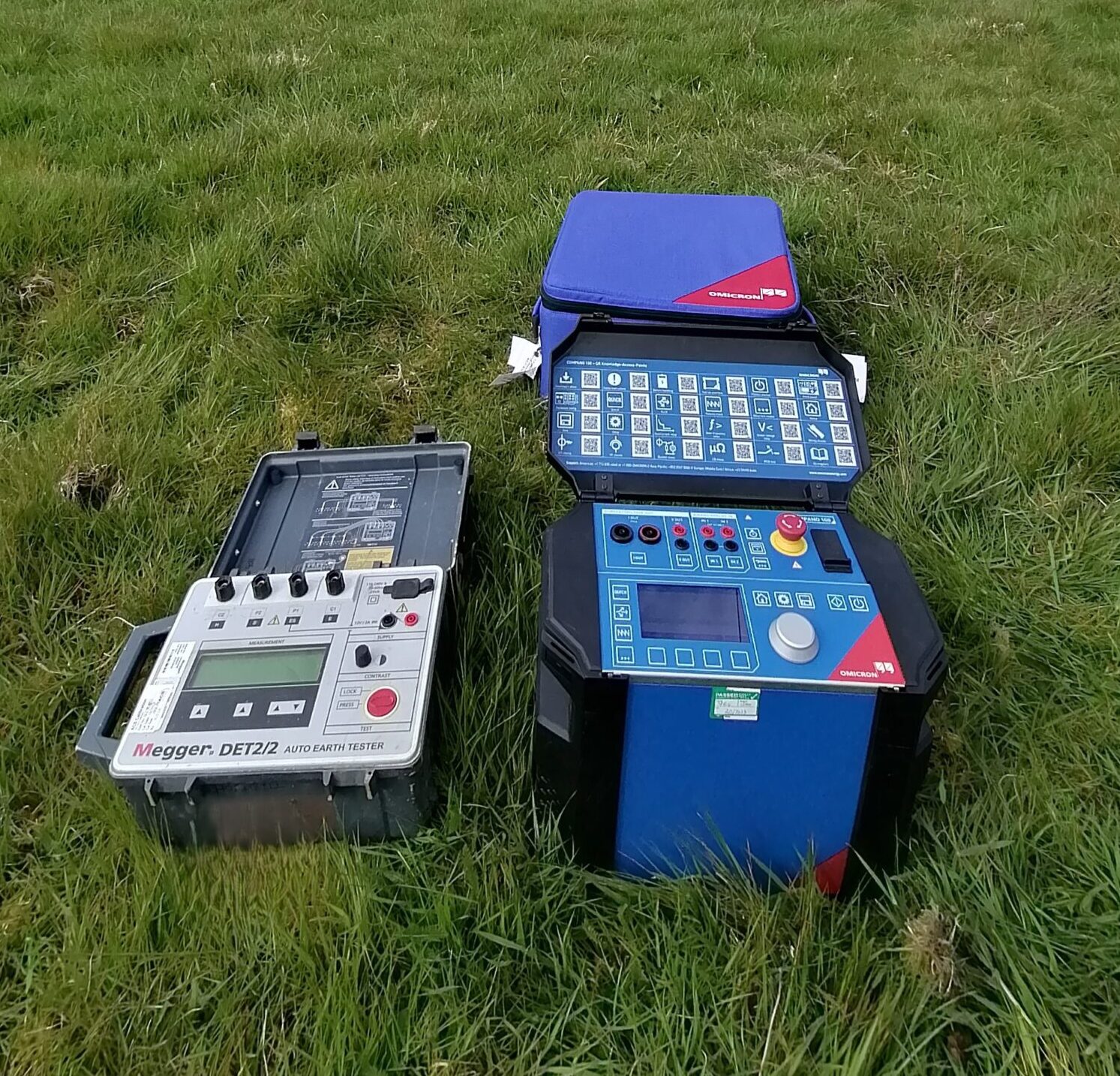
PPE engineers conducted rigorous on-site testing to compare two leading earth resistance measurement instruments:
- Megger DET 2/2: Renowned for its precision in measuring ground resistance, ideal for live site testing.
- Omicron COMPANO 100: Equipped with advanced diagnostic capabilities and system modelling features, providing comprehensive insights for complex environments.
The comparative analysis assessed each device’s:
- Measurement precision in varied soil conditions.
- Efficiency in producing consistent, repeatable results.
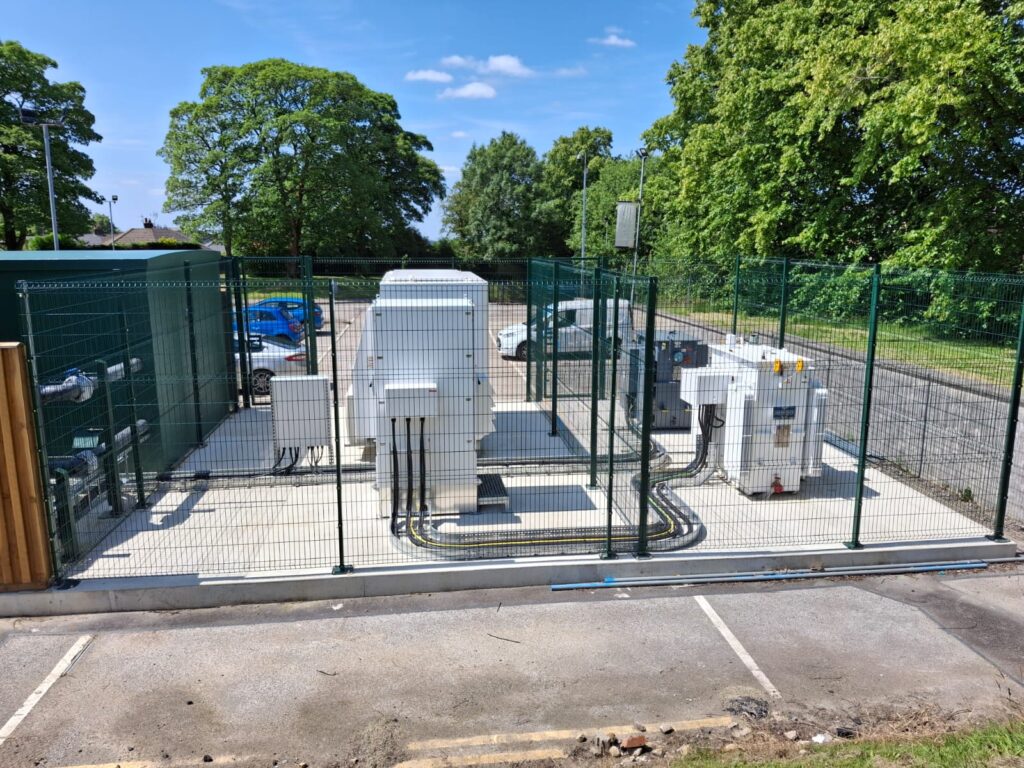
- Suitability for specific applications, including substations, solar farms, and BESS installations.
By standardising equipment selection for different scenarios, PPE ensure testing accuracy and efficiency.
2. Enhancement of Earthing Design Tools
PPE invested in developing integrated software solutions to improve the accuracy and reliability of their earthing design processes. Key improvements included:
- Coding advanced soil resistivity, step voltage, and touch voltage calculations directly into their design workflow.
- Creating an automated system that eliminated manual data entry, reducing the risk of human error.
- Developing Standard Operating Procedures (SOPs) for conducting parallel tests, ensuring consistent methodology, and improving result verification.
This streamlined approach ensured that PPE’s design calculations consistently adhered to BS EN 50522, ENA TS 41-24, and ENA EREC S34 standards.
Results & Impact
The R&D initiative delivered significant improvements across PPE’s operations:
- Standardised the use of the most effective testing equipment for varied applications, ensuring accurate and reliable results.
- Improved internal policies and procedures for testing and commissioning, enhancing overall efficiency.
- Enhanced the precision of earthing design calculations, minimising design risks and improving system reliability.
- Reinforced PPE’s position as an industry leader in earthing system innovation by integrating cutting-edge tools and methodologies.
Conclusion & Key Takeaways
This project highlights Pendulum Power Earthing’s dedication to advancing testing methodologies and enhancing earthing system designs. By investing in R&D, PPE has strengthened its ability to deliver precise, reliable, and compliant solutions across diverse energy sectors.
For clients seeking enhanced testing accuracy, streamlined design processes, and industry-leading expertise, Pendulum Power Earthing remains the trusted choice for comprehensive earthing solutions.